
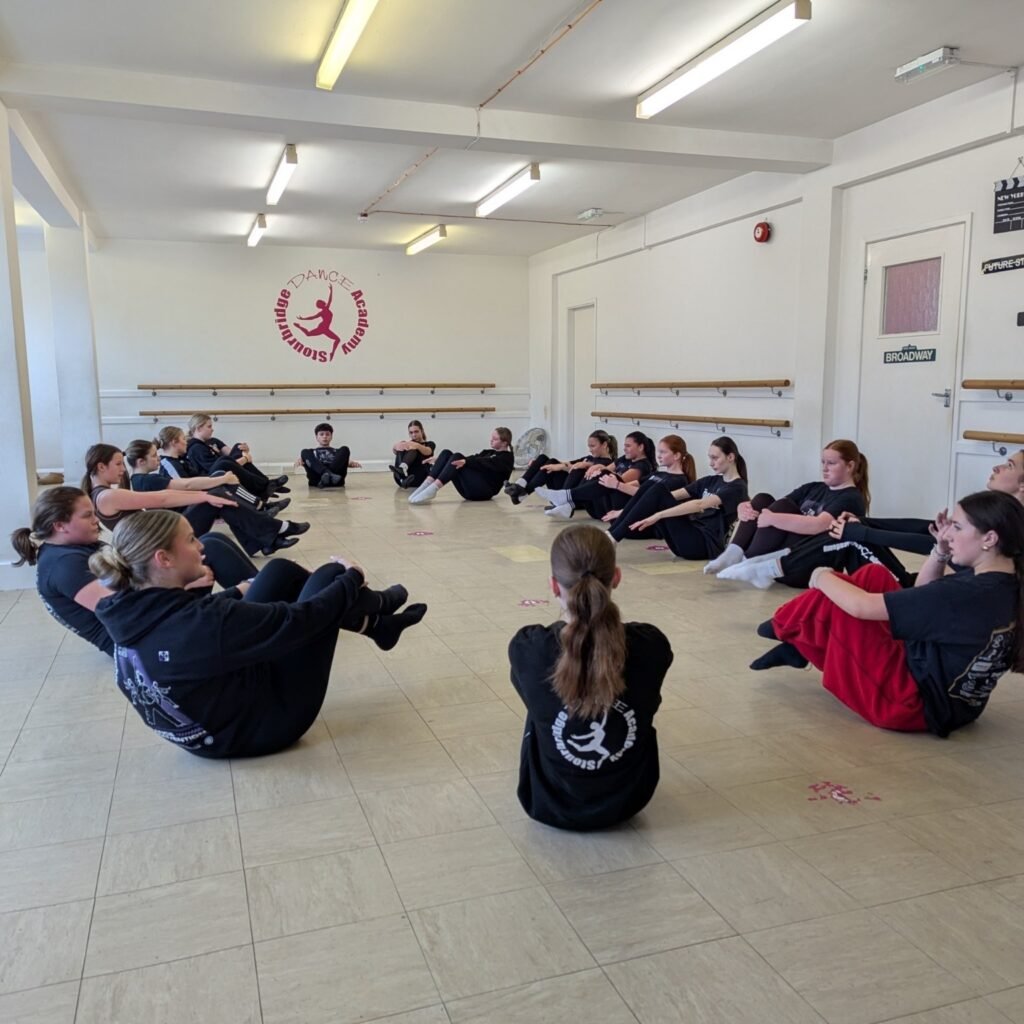
Perhaps your child dances whenever music comes on, copies routines from their favourite films or has asked to join a friend at dance lessons. You know they would like to give it a go. The next question is which class to choose.
When comparing children’s dance classes in Stourbridge, a useful starting point is your child’s interests, age and experience. Then look for a suitable group and a weekly routine your family can manage.
At Stourbridge Dance Academy, we have been welcoming dancers since 1981. Our range of dance classes gives children different ways to enjoy music, learn new skills and find something they want to keep doing.
Start with what your child enjoys.
Ask what appeals to them about dancing. Is it making rhythms, learning a routine, telling a story or moving to songs they love?
Their answer can help you choose a first class to explore. It does not need to decide every class they will take in the future. A quiet child may love an energetic routine, while an outgoing child may enjoy the precision of ballet.
Let their curiosity guide the conversation, then ask the teacher which group would suit their starting point.
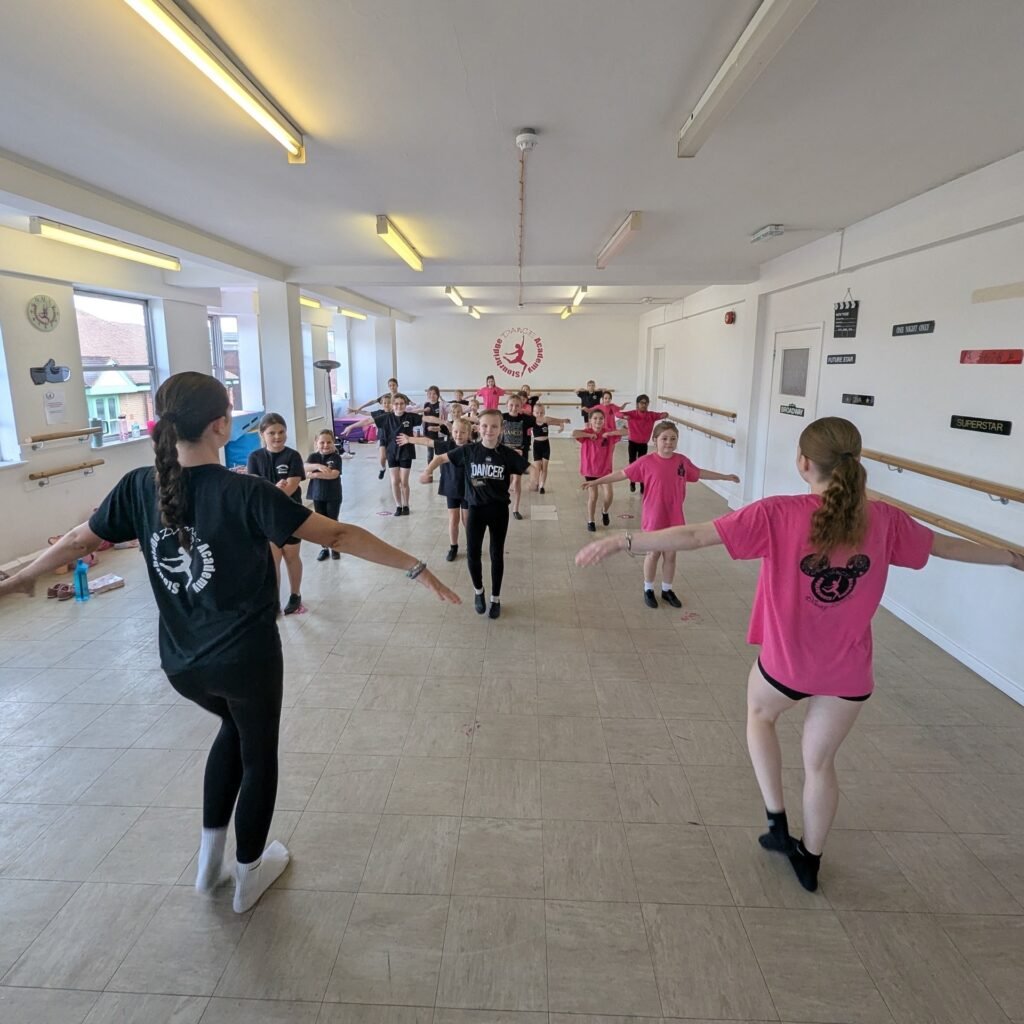
Ballet, tap, modern, commercial or freestyle?
Here is a simple comparison of the styles available at SDA. The content and pace of each class depend on the group’s age and level.
| Style | What it involves | An interest to explore |
|---|---|---|
| Ballet | Classical steps, coordinated arm and leg movements, balance and control. | Learning detailed movements and expressing music through dance. |
| Tap | Creating rhythms with the feet, developing timing and combining steps. | Listening for a beat and making music through movement. |
| Modern | Expressive movement, technical exercises and dance sequences. | Performing, exploring different qualities of movement and learning routines. |
| Commercial | Choreography associated with music videos and stage performances, with an emphasis on musicality and presentation. | Dancing to contemporary music and learning performance routines. |
| Freestyle | Energetic movement, coordination and expressive dancing to music. | Exploring dynamic movement and individual expression. |
For children interested in balances and gymnastic movement, SDA also offers gymnastics classes. Ask the team about the content and suitable starting group before booking.
Is ballet or tap better for a beginner?
Both can be starting points when the class is suitable for beginners. Ballet introduces classical movement and control; tap puts rhythm and the sounds made by the feet at the centre of learning.
Think about which experience your child is most curious about. Watching a short demonstration or talking to a teacher may help more than trying to choose from a class name alone.
If they like both, ask about a manageable starting timetable. There is no need to decide on several weekly classes before they have tried their first one.
Match the class to their age and experience.
SDA offers classes from age three, but starting ages and entry requirements vary between groups. Your child’s age is one part of finding a suitable class; previous training and the level being taught also matter.
Tell us if they are completely new to dance, returning after a break or moving from another school. Include any styles they have studied and examinations they have taken so we can advise on placement.
Choose a routine your family can maintain.
Look at the class timetable alongside school, travel and other commitments. Leave enough time for your child to arrive and get ready without rushing.
Before enrolling, ask about lesson fees, uniform, footwear and any additional costs associated with examinations or performances. Knowing what is involved helps you choose a commitment that works for your family.
After a trial, ask your child what they enjoyed and whether they would like to return. A favourite step, an interesting piece of music or feeling comfortable with the teacher can all help you understand their experience.
Think about where their interest could lead.
Your child’s first class is a starting point. As their interests develop, you can discuss other styles, NATD examination training and performance opportunities with their teacher.
There is time to consider those possibilities as they progress. For now, focus on finding a class they feel ready to try.
Let’s find a starting point together.
If you are unsure which class to choose, contact Stourbridge Dance Academy with your child’s age, experience and interests. We can help you explore suitable options and ask about a trial.
Once you have chosen a class, read our guide to what to expect at your child’s first dance lesson for practical help getting ready.